
What Age is Too Late for Pointe Work?
One of the most common questions adult ballet dancers ask is, “Am I too old to go on pointe?”
The short answer: absolutely not.
Age itself isn’t the deciding factor when it comes to pointe work - strength, technique, and consistency are. Many adults begin pointe safely in their 30s, 40s, or even later, provided they have the right preparation, guidance, and support.

It’s Not About Age – It’s About Readiness
Going en pointe is a progression, not a milestone to rush. Dancers of any age can begin pointe work safely if their technique and strength are well established. What matters most is that your body is ready - not your birth certificate.
Before starting pointe, you should be able to:
Maintain correct posture and alignment throughout class.
Control balance on demi-pointe with ease.
Demonstrate ankle stability and foot strength.
Show consistent turnout and engagement through the legs and core.
If you can tick those boxes, you’re already laying the foundation for safe pointe work.
The Importance of Strength and Technique
Pointe shoes amplify everything – both good and bad technique. Without sufficient strength in the feet, ankles, calves, and core, it becomes easy to overload the joints or roll through the shoe incorrectly.
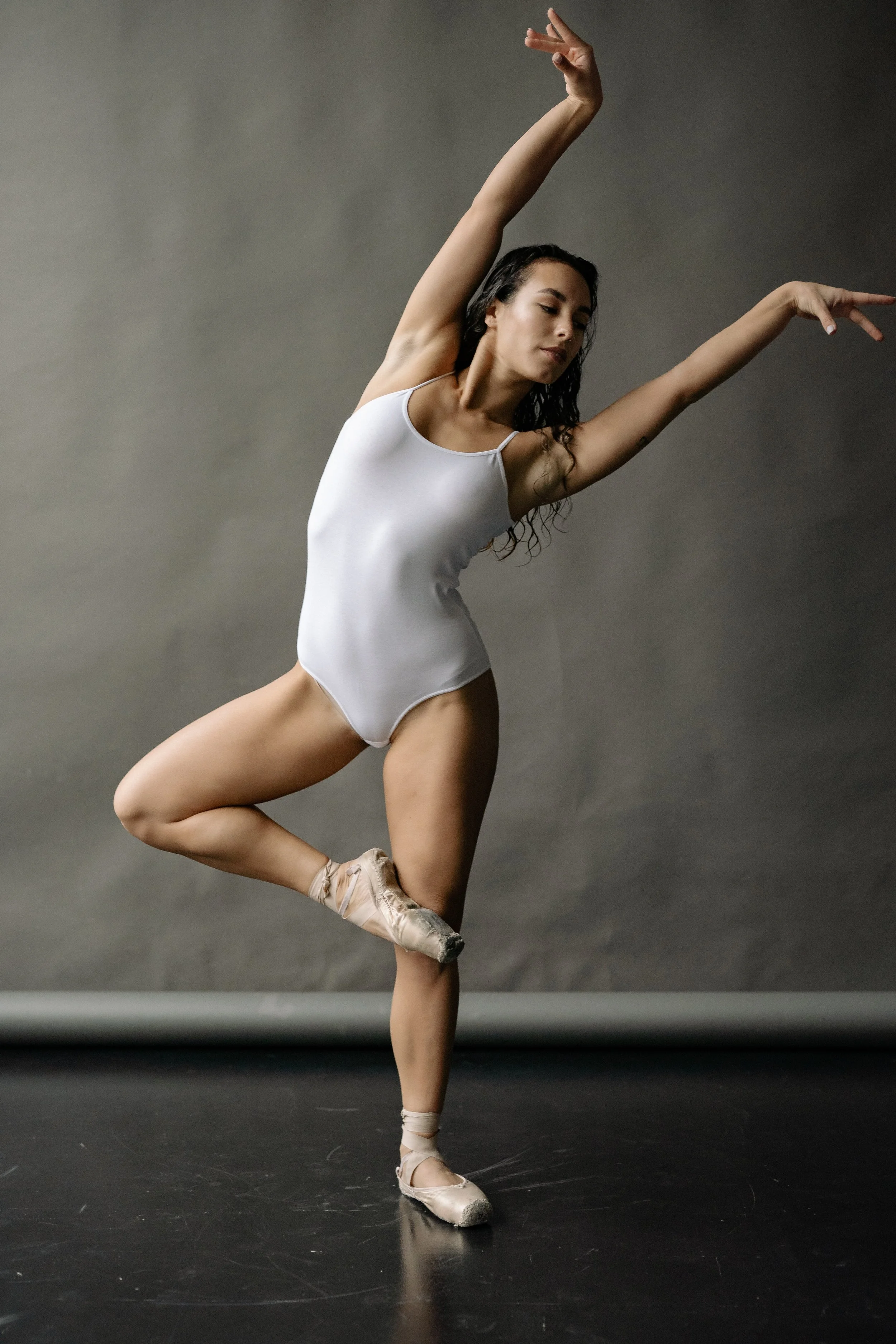
That’s why adult dancers often have an advantage: they tend to be more body-aware, consistent, and thoughtful about training. With patient, structured strengthening, many adults progress to pointe more safely than younger dancers who rush the process.
Regular exercises such as relevés, rises, foot articulation drills, and resistance band work will help build the required strength. Pilates and Ballet Fusion-style classes are also excellent for improving core and leg stability.
The Role of a Qualified Teacher
If you’re considering pointe work as an adult, teacher guidance is essential. A qualified ballet instructor will assess your alignment, strength, and readiness before recommending you go en pointe.
They can help you choose the right shoes, monitor your progression, and ensure you develop correct habits from the very beginning. It’s also completely normal to start with short, supported pointe exercises at the barre before advancing to more complex work.
Think of it as a gradual layering process – small, consistent steps that build strength and confidence safely.
Common Myths About Adult Pointe
Myth 1: “Adults can’t start pointe.”
False. Adults can – and do – start pointe every day around the world. The key is strength, not age.
Myth 2: “Your ankles are too old to adapt.”
The body is adaptable at any age with progressive, consistent conditioning. It just needs time and patience.
Myth 3: “You need to have done ballet since childhood.”
Not true. While prior experience helps, many adults who began ballet later in life have achieved beautiful pointe work through careful, dedicated training.
A Safe and Rewarding Journey
For adults, starting pointe is not about performance or perfection – it’s about personal achievement. The process itself can be deeply rewarding: learning to trust your strength, developing new levels of control, and celebrating what your body is capable of.
If you’re dreaming of pointe work, talk to your teacher, start building strength, and trust the process. Ballet is a lifelong practice and there’s no expiration date on passion, dedication, or progress.
Take a look at our Private lesson pointe work package, or enquire here for more info on how to start on Pointe with Ballet Fusion.
