
3 Ballet Inspired Moves to Boost Bone Density After 40
As we get older, looking after our bones becomes just as important as looking after our muscles and heart.
Many women are aware of osteoporosis, but fewer realise that bone density can begin to decline during our forties, particularly throughout perimenopause and menopause. Falling oestrogen levels can accelerate bone loss, increasing the risk of fractures later in life.
The encouraging news is that movement can make a real difference.
While no single exercise can prevent osteoporosis, regular weight bearing activity and strength training help stimulate bone tissue, improve balance, and support overall bone health. Ballet inspired fitness combines all of these elements in a gentle, accessible way, making it an excellent option for women looking to stay strong and active.

Why Bone Health Matters
Our bones are living tissue.
Throughout our lives they are constantly being broken down and rebuilt. During younger adulthood, this process usually stays in balance. As we age, however, bone can be lost more quickly than it is replaced.
This natural change becomes more noticeable during perimenopause and menopause, when hormonal changes affect bone strength.
The result can be bones that are less dense and more prone to fractures.
The aim is not to avoid ageing, but to support the body through it.
Regular movement is one of the most effective lifestyle habits for maintaining healthy bones.
Why Ballet Inspired Movement Helps
Ballet may appear graceful, but it is also surprisingly effective for building strength.
Many ballet movements involve supporting your own body weight while moving with control. This creates gentle loading through the bones, encouraging them to stay strong.
Ballet also develops:
Lower body strength.
Better posture.
Improved balance.
Stronger stabilising muscles.
Greater body awareness.
These qualities not only support bone health but may also help reduce the risk of falls, which become increasingly important as we get older.
1. Rises

One of ballet's most recognisable movements is also excellent for strengthening the lower legs and improving balance.
Stand tall with your feet hip width apart or in a comfortable first position, with your heels together and toes gently turned out if this feels natural. Hold onto a chair or worktop for support if needed.
Slowly rise onto the balls of your feet, lifting your heels as high as feels comfortable. Pause for a moment before lowering back down with control.
Aim for 10 to 15 repetitions.
This simple movement strengthens the calves, ankles and feet while encouraging weight bearing through the legs.
2. Plié Pulses
The plié is a wonderfully functional movement because it mirrors everyday actions such as sitting down and standing up.
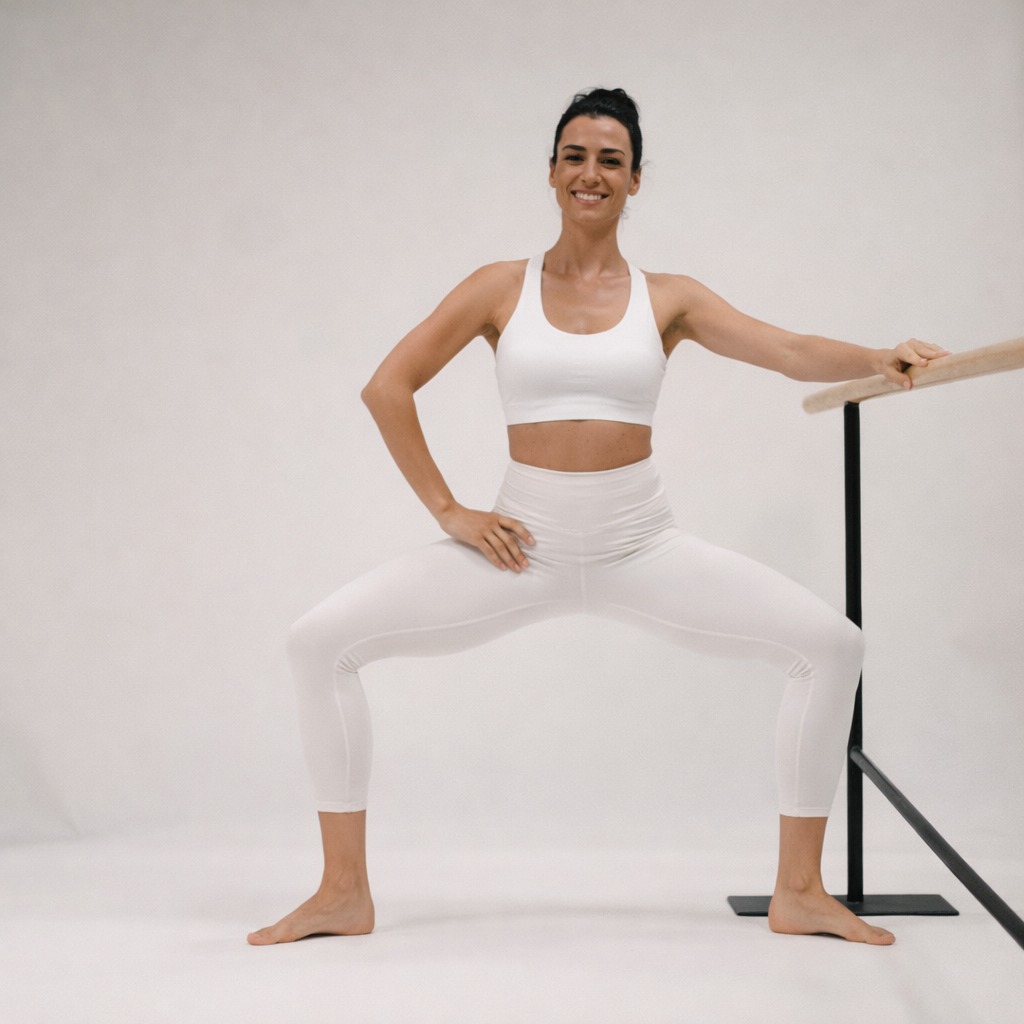
Stand with your feet slightly wider than your hips and your toes turned out comfortably.
Keeping your spine tall, bend your knees into a shallow squat before returning almost to standing. Once comfortable, try adding small controlled pulses near the bottom of the movement.
Aim for 10 to 15 repetitions.
Pliés strengthen the thighs, glutes and hips while supporting good posture and joint mobility.
3. Arabesque Holds
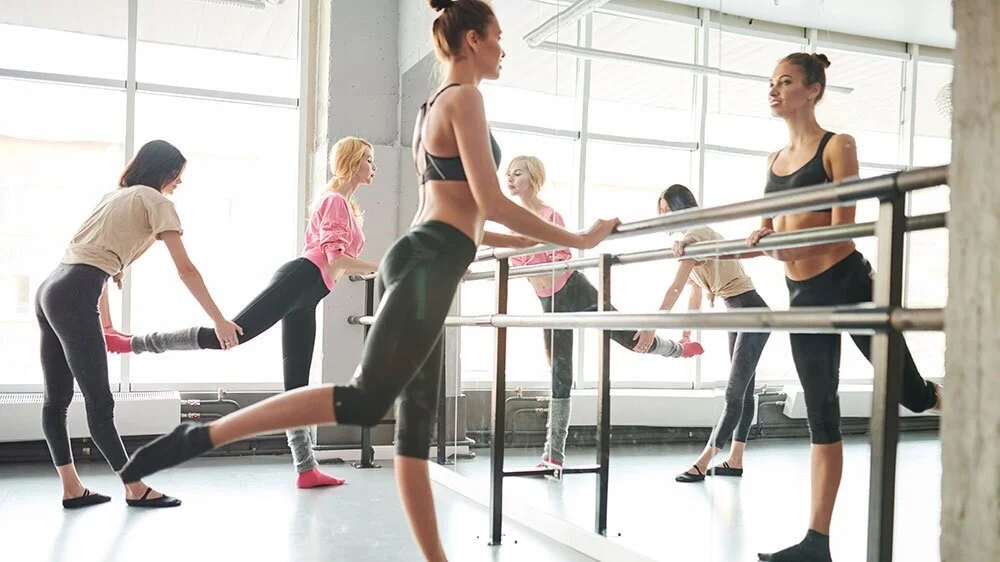
This elegant balance exercise builds strength and stability at the same time.
Stand tall and lightly hold onto a chair if required.
Shift your weight onto one leg and gently extend the other leg behind you, keeping it low and maintaining a long spine. Raise the opposite arm slightly if it helps with balance.
Hold for 10 to 20 seconds before changing sides.
Arabesque holds strengthen the glutes, lower back and core while improving balance and coordination.
Small Steps Add Up
When it comes to bone health, consistency is far more important than intensity.
You do not need long or exhausting workouts to benefit. A few sessions each week can gradually improve strength, stability and confidence.
As your body adapts, these small improvements can make everyday activities feel easier while supporting your long term health.
Support Your Bones in Other Ways
Exercise is only one part of the picture.
Healthy bones also benefit from:
A balanced diet that includes adequate calcium.
Enough vitamin D, either through sensible sunlight exposure or supplementation where recommended.
Sufficient protein to support muscle health.
Good quality sleep and recovery.
Avoiding smoking and limiting excessive alcohol intake.
Together, these habits provide a strong foundation for healthy ageing.
Listen to Your Body
Everyone's body is different, particularly during midlife.
If you have osteoporosis, osteopenia, persistent pain, or another medical condition, speak to your GP or a qualified healthcare professional before starting a new exercise programme. They can help you choose activities that are appropriate for your individual circumstances.
Strong Bones for the Years Ahead
Looking after your bones does not have to involve complicated routines or high impact workouts.
Gentle, weight bearing movement can be incredibly effective, particularly when it also improves strength, posture and balance.
Ballet inspired fitness offers an enjoyable way to support your body through every stage of life.
A few relevé raises.
A handful of pliés.
A steady arabesque hold.
Practised regularly, these simple movements can help you build strength, move with confidence, and support healthy bones for many years to come.
Try a Ballet Fusion online adult ballet class today.