
How Ballet Helps Relieve Anxiety and Tension
Anxiety and tension often build quietly. A tight jaw, raised shoulders, shallow breathing, a mind that will not quite switch off. These are common experiences, especially when life feels full and demanding.
While there is no single solution, movement can play an important role in easing both physical and mental tension. Ballet offers a particularly gentle and effective approach. It combines controlled movement, breath awareness, and focus, creating space for the body to release tension and the mind to settle.

How Tension Shows Up in the Body
Stress does not stay in the mind. It often settles into the body.
The shoulders lift and tighten.
The neck becomes stiff.
The hips and lower back hold tension.
Breathing becomes shallow.
Over time, this can lead to discomfort, fatigue, and a feeling of being constantly on edge.
Gentle, intentional movement can help interrupt this pattern.
Movement as a Way to Reset
Ballet inspired fitness encourages slow, controlled movement.
Instead of rushing or forcing effort, you are guided to move with awareness. This helps the nervous system shift out of a heightened stress state and into something calmer.
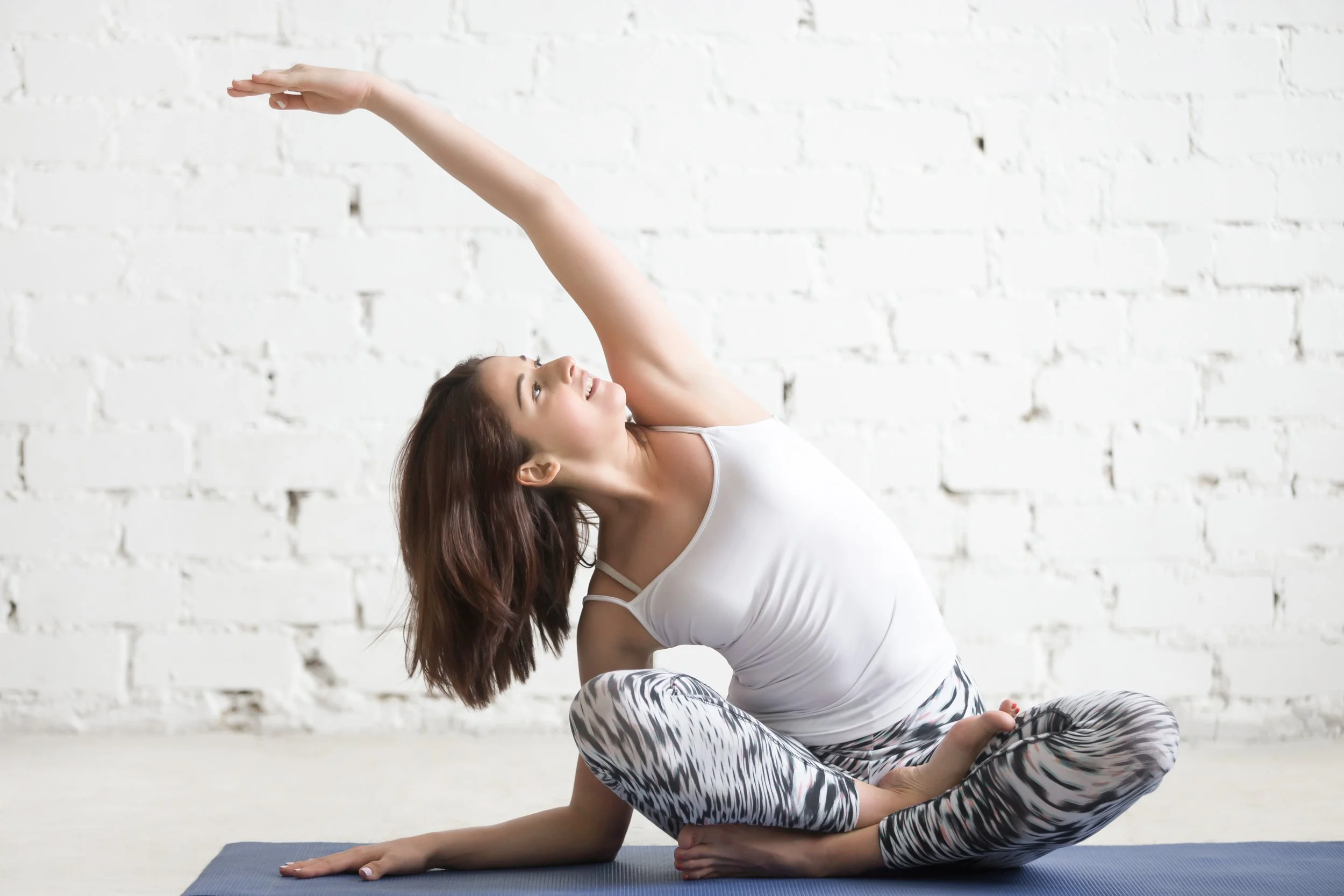
Simple exercises such as arm movements, gentle pliés, and slow stretches allow muscles to release gradually.
At the same time, focusing on movement gives the mind something steady to return to.
This combination can feel deeply calming.
The Role of Breath
Breathing is closely linked to how we feel.
When we are anxious, breathing often becomes shallow and quick. Ballet encourages a more natural, steady rhythm of breath that supports movement.
Even without thinking about it too much, this can help the body relax.
Over time, many women find that their breathing becomes deeper and more controlled, both during exercise and in daily life.
A Break from Mental Noise
One of the most helpful aspects of ballet is the focus it requires.
Following movements, maintaining balance, and coordinating the body creates a gentle level of concentration. This draws attention away from worries and into the present moment.
It is not about clearing the mind completely.
It is about giving it a rest from constant thinking.
Even a short class can provide a sense of mental space that is difficult to find elsewhere.
Releasing Physical Tension
As the body moves, muscles begin to soften.
Areas that commonly hold tension, such as the shoulders, back, and hips, are gently stretched and strengthened. This helps release built up tightness and improves overall comfort.
Many women notice that they feel physically lighter after moving, as though some of that tension has been lifted.

Building a Sense of Calm Control
Anxiety can often feel like a loss of control.
Ballet offers a way to reconnect with the body in a calm and structured way. Movements have a clear beginning and end. There is a rhythm to follow.
This can create a reassuring sense of order.
Over time, this feeling of control can extend beyond the class, helping you feel more steady in everyday situations.
A Supportive Way to Care for Yourself
Ballet inspired fitness is not about pushing through stress.
It is about responding to it with care.
You can move at your own pace, adjust movements as needed, and simply focus on how your body feels in the moment. There is no pressure to perform.
This makes it a supportive option for women who want to manage stress in a gentle, sustainable way.
Finding Ease Through Movement
Relieving anxiety does not always require doing less.
Sometimes it comes from doing something that helps the body and mind work together more smoothly.
Ballet offers that opportunity.
A chance to move.
A chance to breathe.
A chance to release tension and feel a little more at ease.
And often, that small shift can make the rest of the day feel more manageable.
Try one of our gentler classes and feel some of that anxiety melt away: Fusion Flow, Posture & Alignment and Sunday Stretch are a great place to start.