
The Science of Grace: Why Ballet Improves Coordination
Grace can look effortless, but there is real science behind it. Ballet improves coordination, balance, and agility in ways that support everyday life.
When people watch ballet, they often notice elegance, poise, and flowing movement. What they may not see is the coordination taking place underneath. Every step, arm movement, and change of direction relies on the body and brain working together with precision.
That is one of the reasons ballet inspired fitness can be so valuable. It does not only build strength and flexibility. It also improves coordination, balance, and agility in ways that support everyday life.
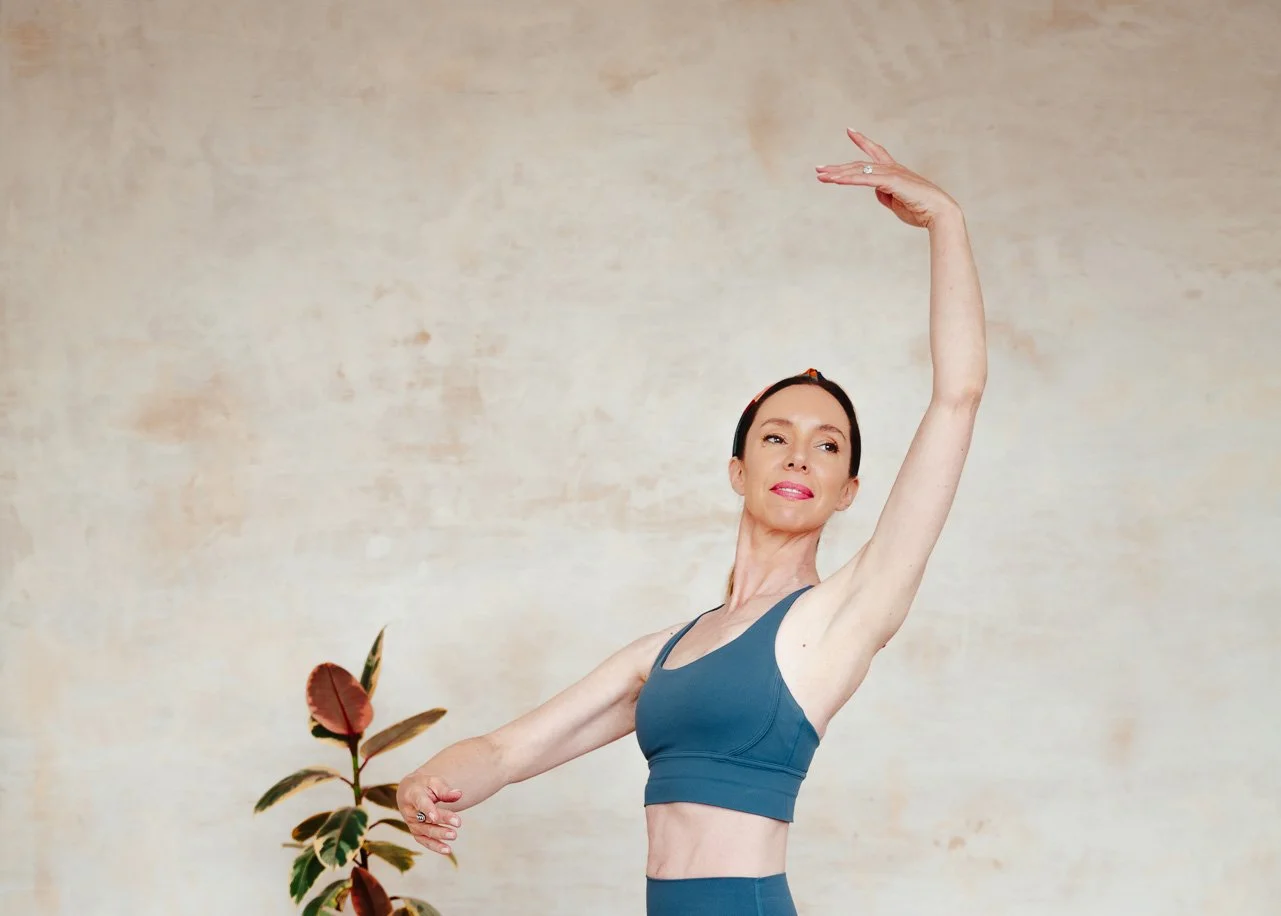
What Is Coordination, Really
Coordination is the ability to use different parts of the body smoothly and efficiently at the same time.
It includes balance, timing, spatial awareness, rhythm, and control. Simple daily tasks such as walking downstairs, reaching for something, carrying shopping bags, or reacting quickly all rely on coordinated movement.
Like any skill, coordination can be improved with practice.
Ballet is particularly effective because it asks the body to move with accuracy while staying aligned and controlled.
How Ballet Trains the Brain and Body Together
Many forms of exercise focus mainly on effort or endurance. Ballet adds another layer by requiring concentration and precision.
You might be balancing on one leg while moving the arms in a different pattern, remembering a sequence, and staying in time with music. This challenges the nervous system as much as the muscles.
The brain is constantly sending and refining signals about posture, timing, and movement quality. The more you practise, the more efficient these pathways become.
In simple terms, ballet helps the body learn to move better.
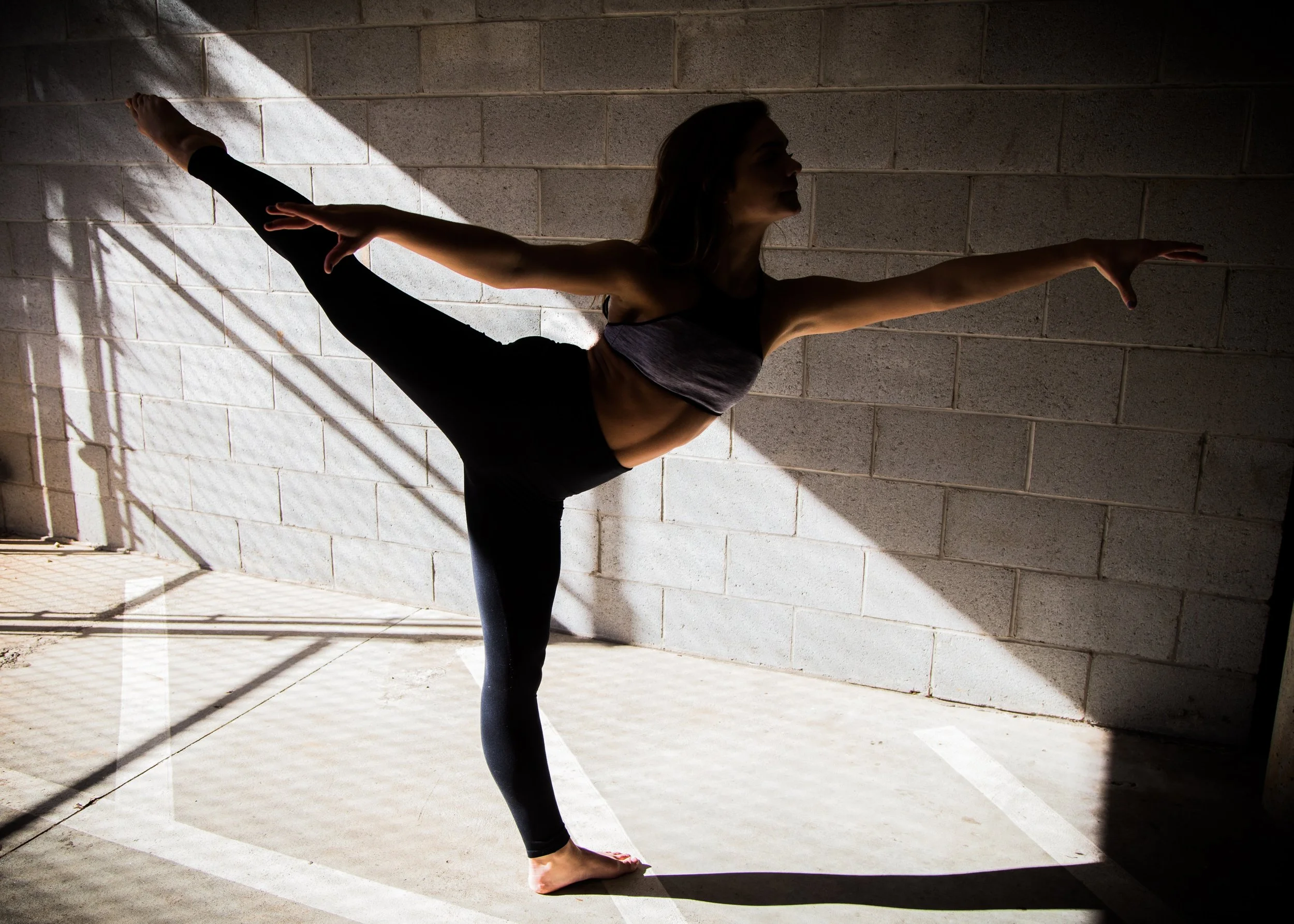
Better Balance Through Small Adjustments
Balance is a key part of coordination, and ballet trains it beautifully.
Standing on one leg, rising onto the toes, or moving slowly through transitions all strengthen the small stabilising muscles around the ankles, hips, and core. These muscles help the body make constant tiny adjustments to keep you steady.
This can have practical benefits far beyond class.
Better balance can mean feeling more stable on uneven ground, more confident when moving quickly, and more secure in everyday activities.
Why Grace Feels Good
There is also a psychological side to coordinated movement.
When the body moves smoothly, everyday tasks often feel easier and less effortful. You may feel more capable, more energised, and more confident in how you carry yourself.
Many women notice that as coordination improves, so does posture and general body awareness. Walking can feel lighter. Reaching and bending can feel more natural. Even standing still can feel stronger.
That sense of ease is part of what people often describe as grace.
Coordination at Any Age
A common myth is that coordination is something you either have or you do not.
In reality, it can be developed at any stage of life. The nervous system continues to adapt through practice, and regular movement is one of the best ways to support that process.
Ballet inspired fitness is especially helpful because it is low impact, adaptable, and focused on quality rather than speed. Beginners can start simply and build confidence over time.
You do not need a dance background to benefit.

Easy Ways to Build Coordination
Even short sessions can help improve coordination when practised regularly.
Try movements such as:
Standing on one leg while holding a chair for support.
Slow rises onto the toes.
Gentle arm patterns with controlled posture.
Simple side steps in time with music.
Balance exercises that challenge focus and control.
The key is consistency, not complexity.
Strength, Confidence, and Flow
The beauty of ballet inspired fitness is that it develops practical skills while feeling enjoyable and expressive.
You are not only exercising. You are training the body to move with more control, more balance, and more confidence.
That is the science of grace.
A stronger body.
A sharper connection between mind and movement.
And a greater sense of ease in everyday life.