
From HIIT to Ballet: Why Your Body Needs Low Impact Days to See Results
High intensity workouts have become the gold standard of fitness.
From HIIT classes to boot camps and challenging strength sessions, there is often an assumption that the harder you train, the better your results will be.
But more intensity is not always more effective.
In fact, one of the biggest mistakes many women make is believing they need to push themselves every single day. The reality is that progress does not only happen during exercise. It happens during recovery.
This is why low impact movement deserves a place in every fitness routine.
Whether you already enjoy running, lifting weights or high intensity classes, adding ballet barre can help your body recover, stay strong and continue progressing over the long term.
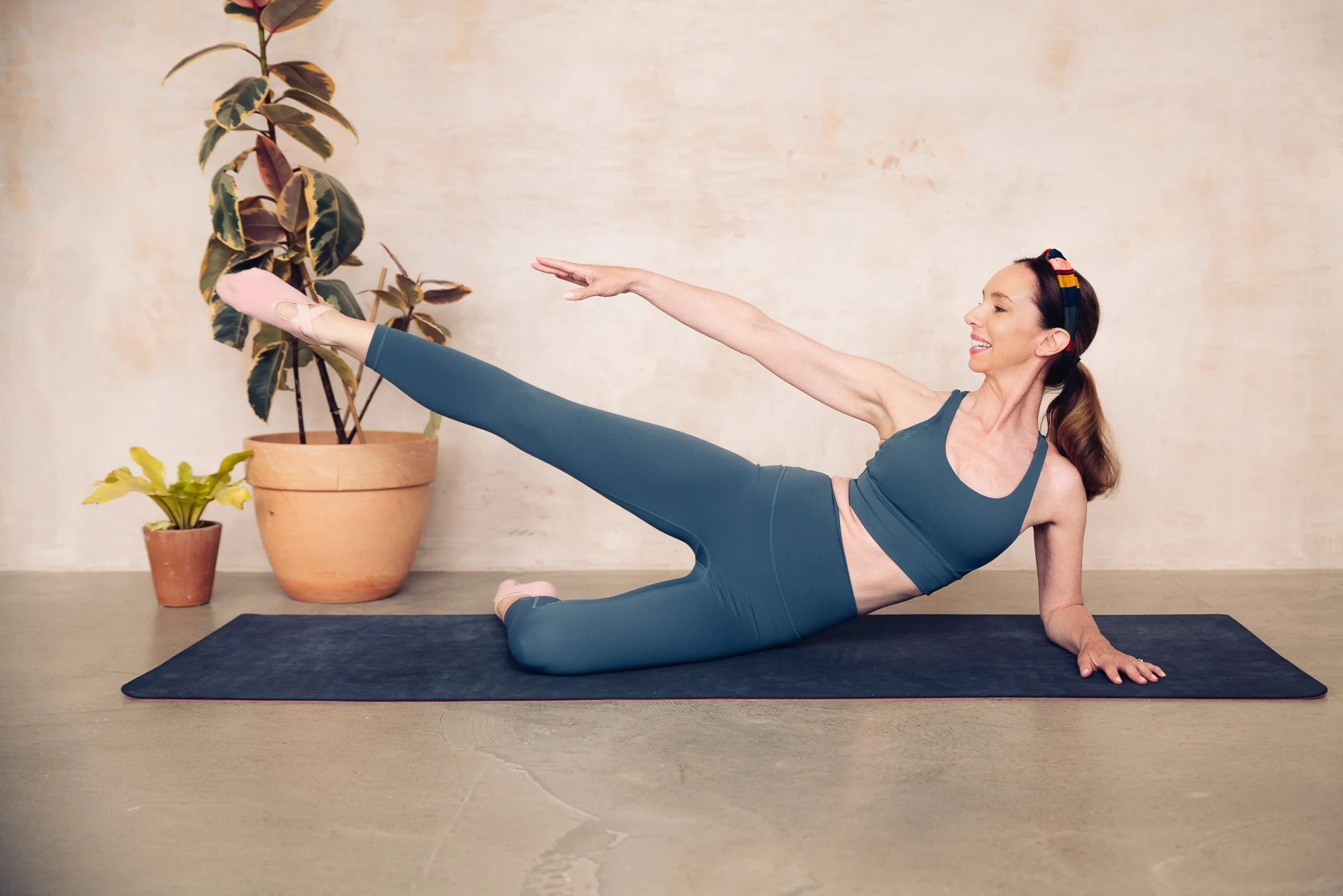
Fitness Is About Balance
Exercise places stress on the body.
That is not a bad thing. In fact, it is how we become stronger. Muscles adapt, the heart becomes more efficient and endurance improves.
However, these adaptations happen after your workout, not during it.
Without enough recovery, the body has less opportunity to repair and rebuild. Over time, constantly pushing at maximum intensity can leave you feeling tired, sore and less motivated to exercise.
The goal is not to avoid challenging workouts.
The goal is to balance them with movement that supports recovery.
Why Recovery Matters
Recovery is often overlooked, but it is one of the most important parts of any fitness programme.
During recovery your body:
Repairs muscle tissue.
Replenishes energy stores.
Strengthens bones and connective tissue.
Adapts to previous training.
Helps regulate energy levels and overall wellbeing.
Without adequate recovery, performance can plateau and exercise may begin to feel more like a chore than something you enjoy.
Low Impact Does Not Mean Low Effort

One of the biggest misconceptions is that low impact exercise is somehow less effective.
In reality, low impact simply means there is less force passing through your joints.
You can still build strength, improve endurance and increase mobility without jumping, sprinting or placing repeated impact on your body.
Ballet barre is an excellent example.
Its small, controlled movements challenge the muscles in a completely different way. Your legs, glutes, core and upper body work continuously to maintain posture, balance and control.
The workout may feel gentle on the joints, but your muscles know they have been working.
Supporting Your Body Through Hormonal Changes
For many women over 40, recovery becomes even more important.
Hormonal changes during perimenopause and menopause can affect energy levels, sleep and how the body responds to exercise.
While challenging workouts still have their place, constantly training at maximum intensity may leave some women feeling more fatigued rather than stronger.
Including lower intensity sessions throughout the week can help support consistency while allowing the body time to recover.
The aim is to work with your body, not against it.
Ballet Barre Builds Functional Strength
Barre classes combine elements of ballet, strength training and mobility work.
Rather than relying on heavy weights or explosive movements, barre develops strength through precise, controlled exercises.
Regular practice can help improve:
Core strength.
Balance and stability.
Muscular endurance.
Posture.
Flexibility and mobility.
These benefits support not only fitness but also everyday movement.
Looking After Your Joints
Your joints work hard every day.
Running, jumping and strength training all place valuable demands on the body, but they also require adequate recovery.
Low impact exercise allows you to stay active while reducing repetitive stress on the knees, ankles and hips.
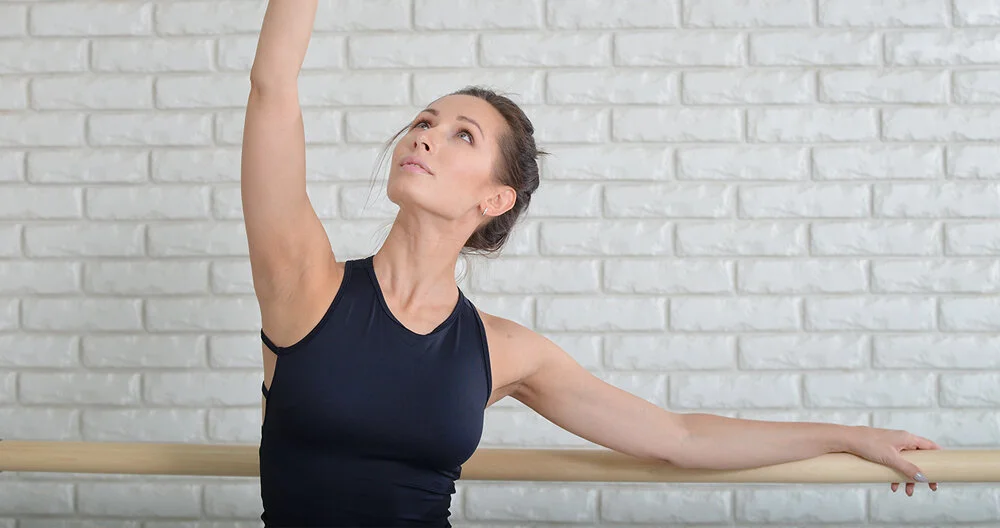
This makes ballet barre an ideal option between higher intensity training sessions.
You continue moving without asking your body to absorb more impact.
Consistency Beats Intensity
The most effective fitness routine is rarely the most extreme one.
It is the one you can maintain.
A balanced weekly routine might include a mixture of strength training, cardiovascular exercise, walking and one or two ballet barre sessions.
Each type of movement supports the others.
Rather than competing, they work together to create a healthier, stronger body.
Making Ballet Barre Part of Your Routine
Barre works well alongside many different forms of exercise.
For example:
After a challenging HIIT session to encourage gentle movement.
Between running days to improve mobility and balance.
Alongside strength training to develop posture and stability.
On busy days when you still want to move without exhausting yourself.
It is not a replacement for every workout.
It is the missing piece that helps create a more sustainable approach to fitness.
Train Smarter, Not Just Harder
There is nothing wrong with enjoying a challenging workout.
But real fitness is about knowing when to push and when to recover.
Ballet barre offers a thoughtful balance. It strengthens your body, improves posture, builds mobility and supports recovery, all while being kind to your joints.
Strong bodies are not built through constant intensity.
They are built through consistency.
Move with purpose, recover with intention and give your body the variety it needs to thrive.